
Burera: PPIMA project outcomes
TA has worked in Burera District since PPIMA began, helping citizens engage in public policy discussions and hold decision-makers accountable.
Read the report (PDF)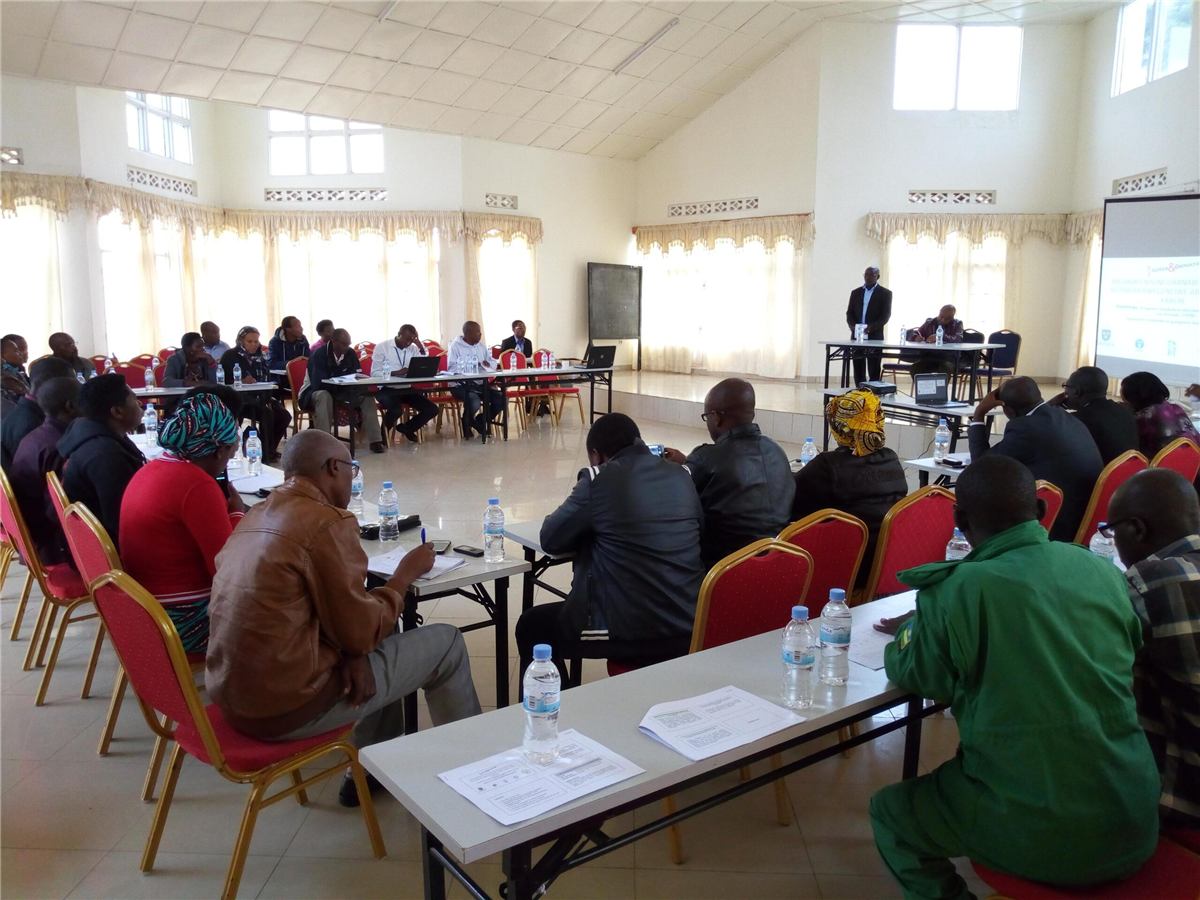
Helping citizens build the confidence and skills to influence the policies, plans and services that shape their lives.
Citizen participation is high in mandatory spaces such as the monthly community service day, Umuganda, but low and less effective in others such as Imihigo (local government performance contracts). There, citizens feel their consultations are insufficient and their views are not fully reflected in final plans. People who are illiterate, people with disabilities and young people are often left out of public policy processes.
Low awareness of and engagement in public policy partly reflects the country's history, when policy was seen as the government's role alone. That perception is changing as more space opens for citizens and civil society to contribute.
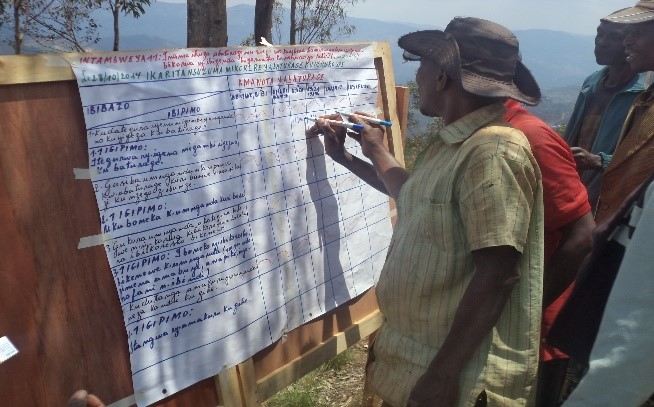
TA uses a range of tools to strengthen citizen participation. The most common is the Community Score Card (CSC), a participatory process in which citizens assess the quality of the public services they receive and agree on improvements with service providers and local authorities.
In its latest four-step version, piloted in 2017, the CSC takes place within government-created cell assemblies called Inteko z'abaturage. This connects citizen participation more closely to local government planning, and has cut costs by 81% compared with the first version, so the CSC can expand from a few cells in a district to all cells.
Since 2009, the Public Policy Information, Monitoring and Advocacy (PPIMA) initiative led by Norwegian People's Aid has helped Rwandan citizens take part in public policy, growing from 4 to 19 districts. TA has been a leading implementing partner.
TA has worked in Burera District since PPIMA began, helping citizens engage in public policy discussions and hold decision-makers accountable.
Read the report (PDF)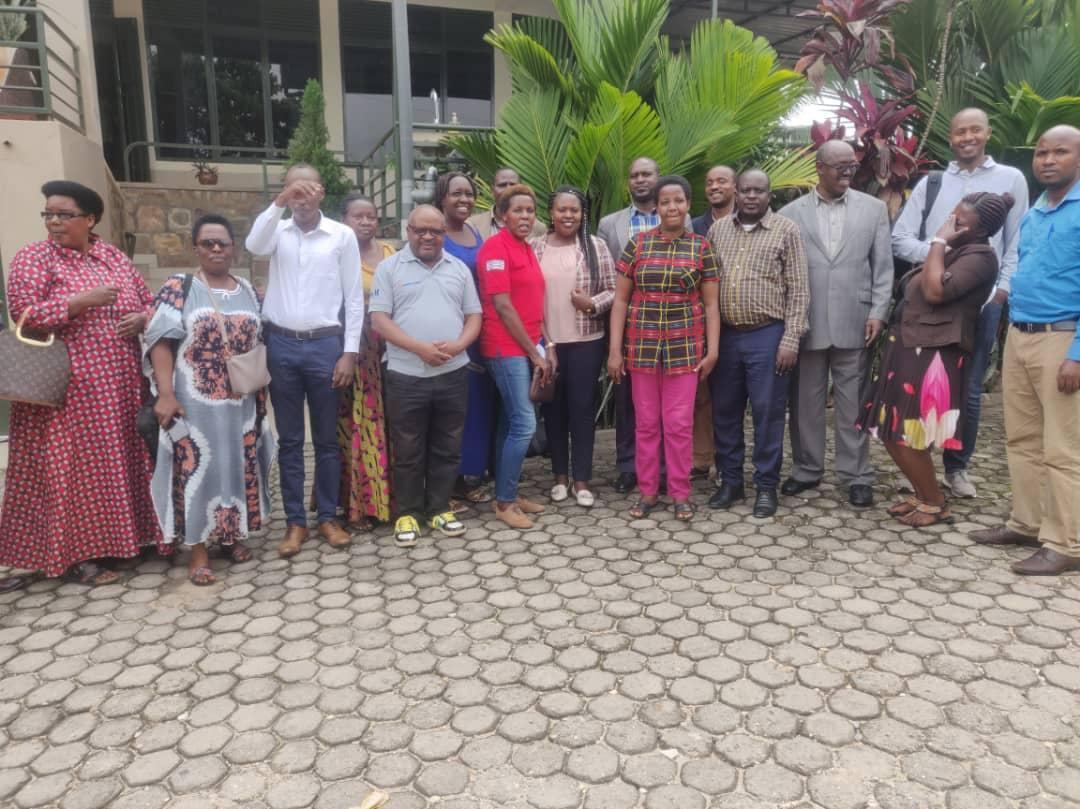
Since 2008, TA has partnered with Ngororero District to champion women's rights and combat domestic violence. From 2010, PPIMA, funded by NPA, helped citizens take part in policymaking through Community Score Cards and policy dialogue. As PPIMA transitions, TA will build on these gains.